Have you noticed how online gaming has become more than just a way to pass time? It now shapes how people relax, talk, compete, and even build friendships. What used to be a solo hobby has turned into a shared form of entertainment that feels social, fast-moving, and always active.
This shift did not happen overnight. Better internet access, mobile devices, voice chat, live streaming, and shared online spaces all changed how people experience games. The result is a new entertainment culture where players are not only playing, but also watching, chatting, reacting, and creating memories together.
That culture keeps growing because it fits modern habits. People want entertainment that is flexible, interactive, and easy to join from home or on the move. Online gaming now sits right at the center of that change.
How Online Gaming Changed Social Entertainment
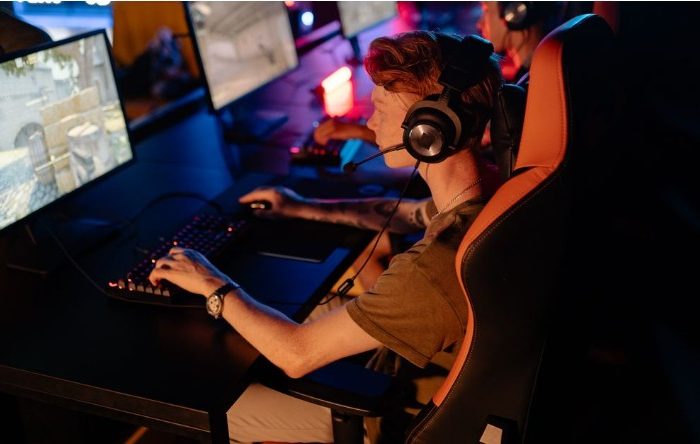
Online gaming changed the social side of entertainment by making participation part of the fun. Instead of sitting back and only watching, people can now jump into a match, talk with others, and shape the outcome in real time.
That shift matters because it turns entertainment into a shared activity. Friends meet up in digital spaces, strangers team up for common goals, and people who live far apart can still spend time together. For many players, the social connection is just as important as the game itself.
It also changed how people spend free time. A night out is no longer the only way to feel connected. A quick session online can give the same sense of company, competition, and laughter, especially when people are busy or live in different places.
Some players even treat online gaming like a regular hangout spot. They log in after work or school, talk about daily life, and stay connected through shared play. In that sense, the game becomes a social setting, not just a form of play. For people who also follow competitive play and related communities, sites like sbobet88 show how strong that interest has become across online entertainment spaces.
Why Streaming And Community Matter
Streaming and community features added another layer to online gaming culture. People do not just play anymore. They watch others play, comment live, and join discussions around strategy, humor, and big moments.
This has made gaming feel more public and more shared. A single match can become a small event when viewers react in real time. That creates a sense of belonging, especially for people who enjoy the same titles or follow the same players.
Communities also shape how games are experienced. Forums, chat rooms, and group channels let players swap tips, share clips, and talk about updates. These spaces help turn individual play into a larger social habit. The entertainment comes not only from the game itself, but from the conversation around it.
For many people, that conversation is part of the routine. They may not play every day, but they still follow the culture, watch highlights, and join discussions. Online gaming has become something people can enjoy in different ways, even when they are not actively holding a controller or tapping a screen.
Mobile Access And Everyday Play
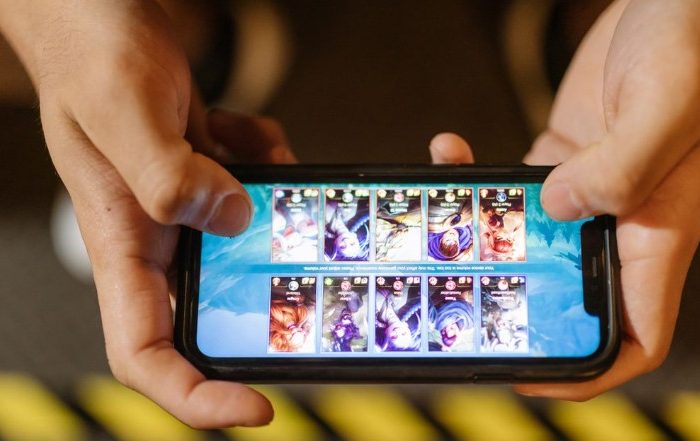
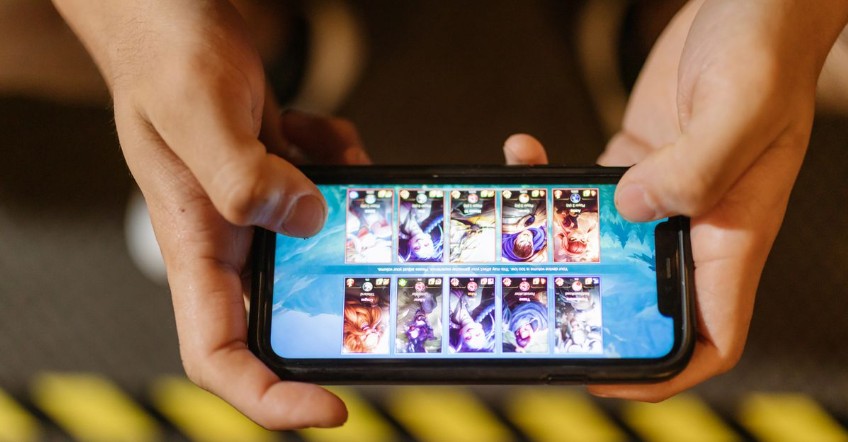
Mobile access made online gaming fit into ordinary life much more naturally. Instead of being tied to a specific room or device, players can join a match during a commute, on a break, or while waiting for something else to start.
That convenience changed who plays and how often they play. Casual players can join in without needing a lot of setup, while regular players can stay connected through short sessions across the day. Entertainment became easier to fit into small pockets of time, which matches how many people now use digital media.
It also helped gaming cross age groups and interests. Some people play for competition, others for relaxation, and others for social contact. Mobile play supports all of those habits without asking for a big time commitment. That is part of why online gaming now feels so normal in everyday entertainment.
Payment and access habits changed too. In some spaces, players look for simple ways to manage accounts and keep their play organized, and terms like slot dana have become part of that broader online conversation. It shows how gaming culture now mixes play, convenience, and digital routine.
The New Rules Of Entertainment Culture
Online gaming also changed what people expect from entertainment. Many now want content that reacts to them, not just content they passively consume. They want choice, feedback, and a sense that their actions matter.
That expectation has spread beyond gaming too. Live chat, audience participation, and interactive features are now common in many forms of digital entertainment. Online gaming helped normalize that style because players were already used to being part of the action.
Another big change is how people define fun. For some, fun means winning. For others, it means teamwork, creativity, or simply spending time with friends. Online gaming supports all of those ideas at once, which is part of why it has such a strong hold on modern entertainment habits.
The culture around gaming is also more open than people assume. It includes casual players, competitive players, viewers, creators, and social groups of all kinds. That mix gives online gaming a unique place in entertainment, because it can be active, social, and personal at the same time.
What This Means For The Future
The new entertainment culture around online gaming is not slowing down. As technology improves and online spaces keep growing, people will likely expect even more interaction from the media they use every day.
What stands out most is how normal this has become. Online gaming is no longer seen as separate from mainstream entertainment. It is part of how people connect, relax, and spend time together. That makes it one of the clearest signs of how digital habits are reshaping modern leisure.
In the end, online gaming is not just changing play. It is changing how people think about entertainment itself, making it more social, more immediate, and more connected to everyday life.