Have you noticed how online gaming slipped into everyday life almost as quietly as streaming music or checking the weather? What used to feel like a niche hobby is now part of many people’s regular routine, filling small breaks, evening downtime, and even social time with something interactive and easy to access.
That shift did not happen by accident. Online gaming became a familiar digital destination because it matched how people already use phones, tablets, and laptops: quickly, casually, and often in short bursts. It also gave people more than entertainment, offering connection, routine, and a sense of participation.
Once internet access became faster and devices became more capable, games stopped feeling like isolated products and started acting more like ongoing digital spaces. People could return daily, pick up where they left off, and share the experience with others in real time.
The Move From Occasional Play To Daily Habit
One big reason online gaming became so common is simple convenience.
In earlier years, playing a game often meant setting aside time, sitting at a specific device, and treating it like a separate activity. Online gaming changed that pattern. Now a person can open a game in seconds, play for ten minutes, and come back later without losing momentum. That fits modern screen habits almost perfectly.
Daily access also changed expectations. Instead of finishing a game and moving on, many players now return to ongoing systems with updates, events, rewards, and familiar routines. That regular rhythm makes gaming feel less like a one-time purchase and more like a digital stop people visit often.
You can even see this shift in the language people use online. Terms connected to access, formats, and play styles travel quickly across communities, and references such as situs slot show how gaming talk has become part of broader internet conversation rather than a closed corner of it.
Why Accessibility Changed Everything
Easy access made online gaming part of normal digital behavior.
Phones Put Games Into Everyday Gaps
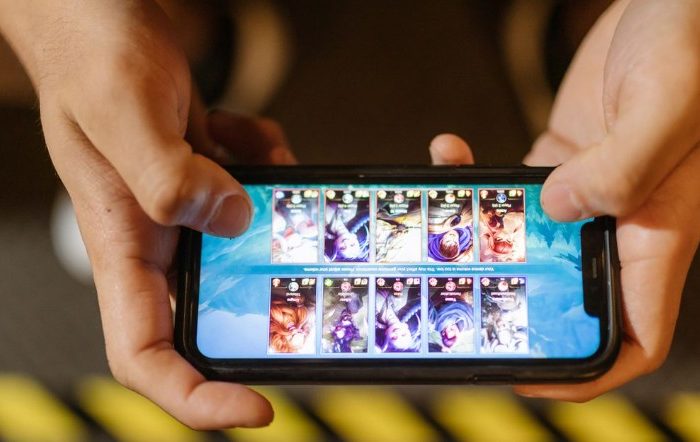
Smartphones played a major role because they turned gaming into something available almost anywhere. A commute, lunch break, waiting room, or quiet evening at home could all become play time. That flexibility matters because people do not always want long sessions. Often, they want quick interaction that feels rewarding without much setup.
Low Barriers Brought In More People
Another major shift came from fewer technical barriers. People no longer needed deep knowledge about hardware or software to get started. Many online games became simpler to access, easier to understand, and more welcoming to beginners. That opened the door to a much broader mix of ages and interests.
As a result, online gaming stopped being viewed as something for only one kind of user. It became a familiar digital option for students, workers, parents, and retirees alike, each finding different reasons to return.
The Social Side Made Gaming Stick
Connection helped turn online gaming into a routine instead of a passing trend.
Play Became A Shared Activity
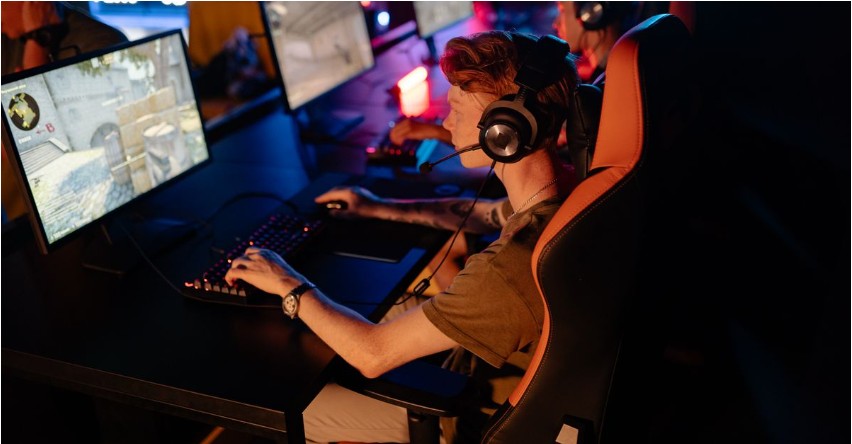
Games increasingly gave people ways to talk, cooperate, compete, and spend time together. That social layer changed the experience in a big way. Watching a movie with friends is enjoyable, but playing together adds participation, reaction, and unpredictability. People are not just consuming something. They are shaping the moment with others.
Digital Communities Added Familiarity
Regular players often return for the people as much as the game itself. Familiar usernames, team habits, recurring events, and inside jokes can make a digital space feel comfortable. That kind of familiarity encourages repeat visits and gives gaming a place in everyday routines similar to group chats or social platforms.
This matters because habits often stick when they include human connection. If friends log in at a certain time, that simple expectation can turn online gaming into a regular meeting place.
Constant Updates Kept Things Fresh
Ongoing change gave people a reason to check back often.
Games Stopped Feeling Static
Traditional games often had a fixed beginning and end. Online games shifted that model by adding updates, new challenges, seasonal content, and timed events. Even small changes can make a familiar game feel active and current. That sense of motion encourages return visits because there is usually something new to see or do.
Routine And Surprise Worked Together
Part of the appeal comes from balance. Players enjoy familiar systems they already understand, but they also like the possibility of fresh content or a new goal. Online gaming does both at once. It offers comfort through repetition and interest through change, which is a strong mix for daily digital habits.
That structure mirrors other common online behaviors. People check apps, feeds, and messages because something may have changed. Gaming adopted a similar rhythm and became another place people visit as part of their normal screen time.
Why Online Gaming Now Feels Like A Digital Destination
Its role today is bigger than simple play.
It Fits Modern Digital Life
Online gaming works well because it blends convenience, interaction, and routine into one activity. It can be quick or extended, social or solo, familiar or new. Few digital habits offer that range while still being easy to access. That flexibility helped move gaming from a side activity into a regular destination people return to naturally.
It Reflects A Broader Change In Media
People increasingly prefer media that responds to them instead of just playing in front of them. Online games meet that preference by giving immediate feedback, choice, and participation. That is a major reason they now sit alongside video, music, and social platforms in everyday digital life.
Online gaming became an everyday destination because it fits how people live online now: connected, fast-moving, and interactive. It offers short breaks, longer sessions, shared moments, and familiar routines, all inside spaces that are always ready for the next visit.x