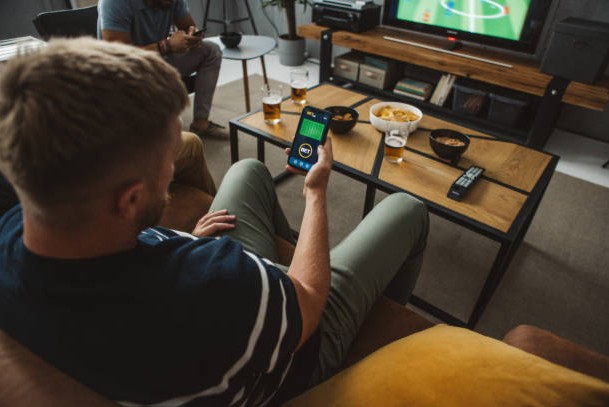
Have you ever wondered why online games often feel more active, changeable, and unpredictable than traditional offline games?
One big reason is that online gaming is built around constant connection. Players are not only interacting with the game itself, but also with other players, live updates, changing events, new content, social features, and evolving competitive systems.
Traditional games can offer deep stories and strong mechanics, but online games often feel more dynamic because the experience can keep changing even after the player has learned the basic rules.
Other Players Make Every Session Different
One of the biggest differences between online and traditional gaming is the presence of real people.
Human players behave in ways that are difficult to predict.
Player Behaviour Creates Variety
In an offline game, enemies and characters usually follow programmed patterns.
In an online situs slot game, other players may:
- Use unexpected strategies
- Change tactics during a match
- Cooperate in different ways
- Make mistakes
- React to the player’s decisions
- Develop new approaches over time
This means two matches using the same map and rules can still feel completely different.
Live Competition Creates Constant Movement
Online competition adds another layer of unpredictability.
Players may be competing for rankings, match wins, tournament progress, or team objectives.
Competition Changes With the Community
A competitive environment can evolve because players continuously learn from each other.
A strategy that works well today may become less effective later if other players learn how to counter it.
This gives online mahjong ways 2 a sense of movement that is difficult to reproduce with fixed computer-controlled opponents.
Updates Can Change the Game Over Time
Traditional offline games usually remain largely the same after release.
Online games can continue changing.
Developers Can Introduce New Content
Updates may add:
- New maps
- Characters
- Game modes
- Challenges
- Story content
- Interface improvements
They may also adjust existing systems.
As a result, a game can feel different months after someone first starts playing.
Live Events Create Temporary Experiences
Some online games introduce events that are available only for a certain period.
These can temporarily change how the game looks or plays.
Events Can Break the Normal Routine
A live event may include:
- Special challenges
- Temporary maps
- Community objectives
- Limited-time modes
- New story elements
Because these experiences are not always available, they can make the game world feel more active.
Players do not need to complete every event, though. Entertainment can quickly feel like an obligation if someone tries to keep up with everything.
Social Interaction Makes the Experience Less Predictable
Online gaming is often social as well as interactive.
Players can communicate, cooperate, compete, and build communities.
Conversations Change Every Session
Social tools may include:
- Voice chat
- Text chat
- Friend lists
- Teams or groups
- Cooperative missions
- Shared spaces
The game may provide the environment, but the people inside it create much of the experience.
That social layer can make even familiar gameplay feel different.
Cooperative Play Adds Shared Decision-Making
Online gaming is not only about competing against other people.
Many games ask players to work together.
Teamwork Creates New Situations
During cooperative play, players may need to decide:
- Who takes which role
- Which objective comes first
- How resources are shared
- When to attack or defend
- How to recover from mistakes
Different teams may solve the same challenge in very different ways.
This makes cooperation an important source of variety.
Progression Keeps the Experience Moving Forward
Many online games include systems that continue across multiple sessions.
Players may improve characters, rankings, collections, or profiles over time.
Long-Term Goals Add Another Layer
Progression may involve:
- Levels
- Achievements
- Rankings
- Cosmetic rewards
- Unlockable abilities
- Seasonal progress
These systems create a sense that the game is still moving even when the basic mechanics remain familiar.
Changing Goals Prevent Repetition
Traditional games often have clearly defined objectives that remain consistent.
Online games may regularly introduce different goals.
Players Can Choose How They Want to Play
Someone might spend one session competing in ranked matches and another completing cooperative challenges.
Another day might focus on exploration, customisation, or a temporary event.
That flexibility can make the experience feel less repetitive.
Customisation Makes the Game Feel Personal
Online games often allow players to change how their characters, profiles, or equipment look.
This may not affect the core mechanics, but it can make the experience feel more personal.
Players Can Build Their Own Identity
Customisation may include:
- Character appearance
- Clothing
- Profile badges
- Equipment designs
- Emotes
- Interface settings
This means players can shape part of the experience themselves instead of only following a fixed presentation.
Community Trends Can Change How a Game Is Played
Online gaming communities constantly exchange ideas.
Players share strategies, guides, clips, and opinions.
Popular Strategies Can Evolve
A particular approach may become popular because players discover that it works well.
Later, another strategy may appear that counters it.
This ongoing exchange of information can change how the game is played without changing the official rules.
Streaming Adds Another Form of Participation
Online games are also watched, discussed, and shared.
Streaming has made gaming more than an activity that happens only inside the game itself.
Players Can Learn and Participate Without Playing
People may:
- Watch competitive matches
- Follow streamers
- Study advanced strategies
- Share gameplay clips
- Discuss updates
This creates a wider experience around the game.
Cross-Device Access Adds Flexibility
Many online games are available across different devices.
A player may be able to access parts of the experience from a computer, console, tablet, or smartphone.
Gaming Can Fit Into Different Situations
This flexibility can make online gaming feel more continuous.
However, constant access can also make it easier to spend more time playing than intended.
Setting personal time limits can help keep the experience balanced.
Frequent Notifications Can Increase the Sense of Activity
Online games may send notifications about events, rewards, messages, or invitations.
These signals make the game feel as though something is always happening.
Activity Does Not Mean Everything Is Urgent
Players do not need to respond to every notification.
Turning off unnecessary alerts can help prevent the game from constantly demanding attention.
Online Gambling Can Use Similar Dynamic Features
Some real-money gambling games also use live interfaces, animation, social-style features, changing events, or interactive presentation.
These elements can make them feel similar to other online games.
Financial Risk Still Makes the Experience Different
When real money is being wagered, the consequences are different.
Dynamic presentation, bonuses, or social features do not make gambling a reliable way to earn income.
Players should use only a fixed entertainment budget and never gamble with money needed for food, rent, bills, savings, or other essentials.
More Activity Does Not Always Mean a Better Experience
A dynamic game can be exciting, but constant updates and features can also become overwhelming.
More systems are not automatically better.
Players Should Look for the Right Balance
A good experience should still feel:
- Clear
- Manageable
- Enjoyable
- Easy to understand
- Worth the time being spent
Sometimes a simpler game may be more enjoyable than one filled with constant events and notifications.
Conclusion
Online gaming often feels more dynamic than traditional gaming because many parts of the experience continue to change.
Other players create unpredictable situations, updates add new content, live events introduce temporary experiences, and social interaction makes each session less fixed.
Progression, customisation, community trends, and cross-device access add even more movement.
For players, the useful approach is to enjoy that variety while keeping control of their own time, attention, and spending. A game can keep changing, but the player should still decide how much of that activity they actually want to follow.